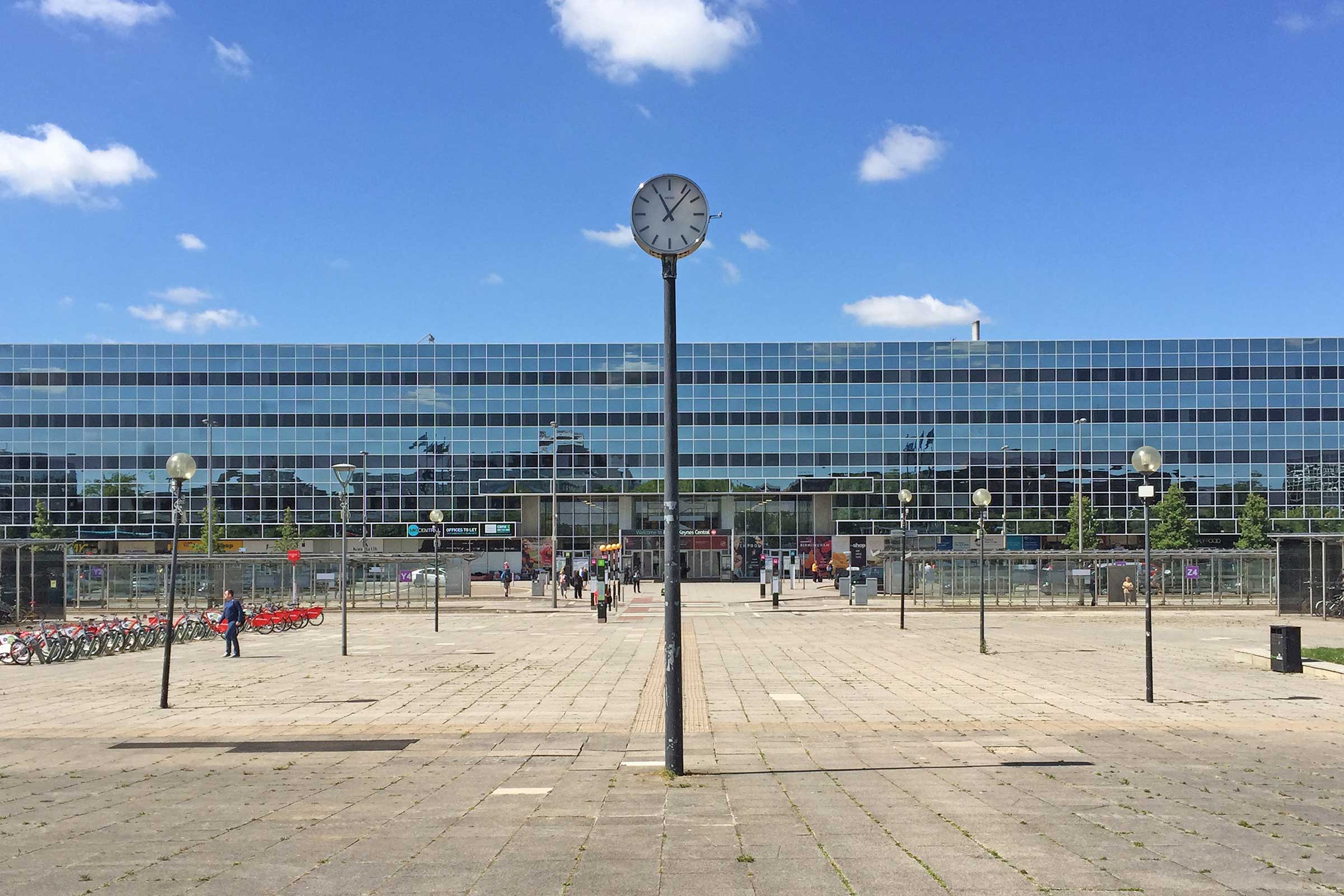
 Milton Keynes Station © Diamond Geezer, via Flickr
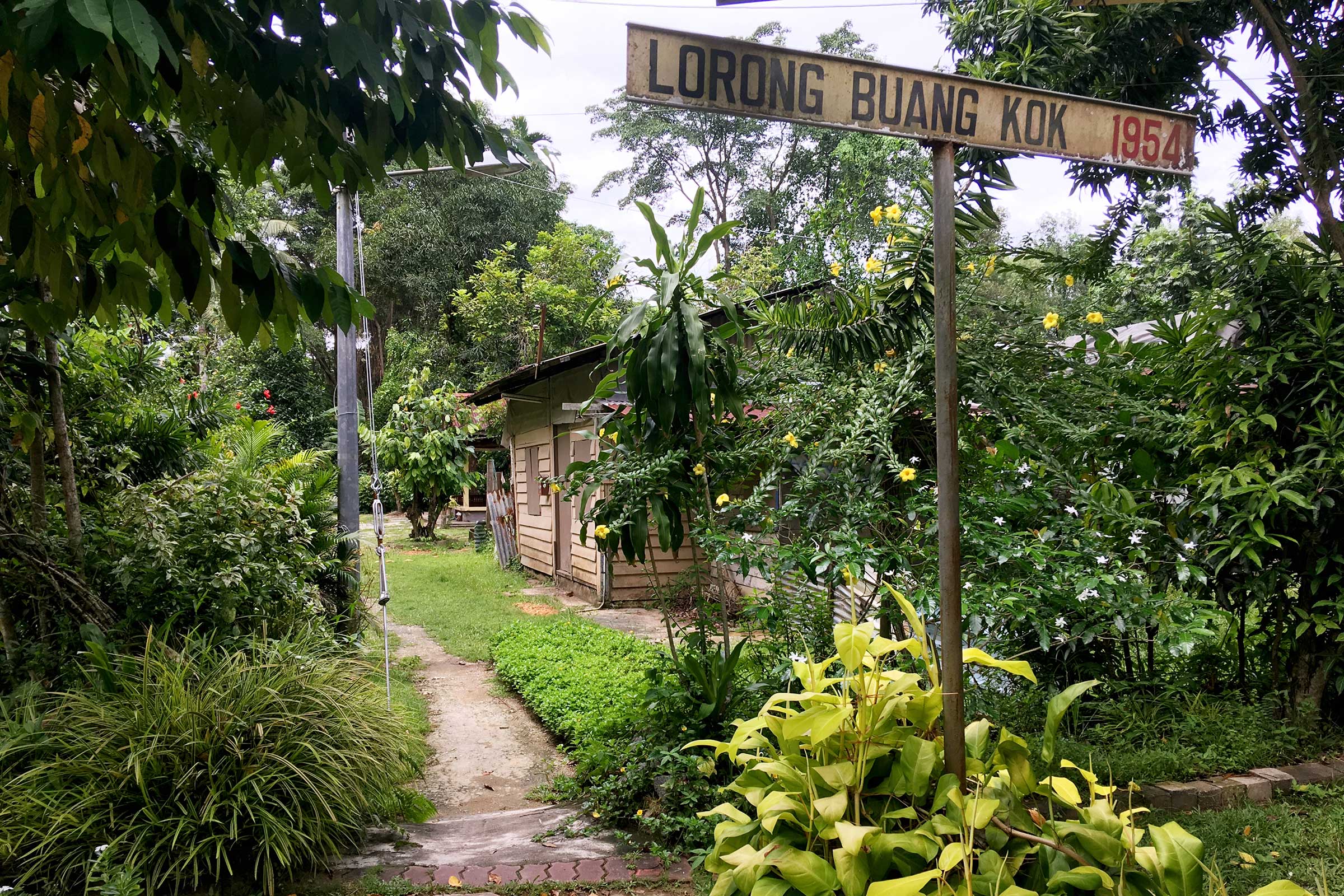
At just 60 years old, the Lion City is one of the most rapidly developed urban environments on the planet. From humble beginnings as a port town surrounded by jungle, it is today a wealthy and powerful city-state. Visitors to Singapore will be impressed by architectural feats like Marina Bay Sands, Gardens by The Bay, and Jewel Changi Airport. However, beyond the glitz and glamour, remnants of the historic, multi-cultural city remain.
Though you might only be stopping in Singapore en route to somewhere else, I would encourage any visitor to look beyond the skyscrapers. Admittedly most of the older parts of the city, the Singapore that my mum grew up in, have been absorbed by the mass redevelopment but there are still some gems. Kampong Lorong Buangkok is the last of the old traditional style villages built after the Second World War, meanwhile the city’s numerous hawker centres provide a slice of authentic regional cuisine, at incredible prices. And finally, Haw Par Villa, the park that the Tiger Balm millions built, is an example of pre-mall, pre-television Singaporean entertainment.
Laura Berman, associate director
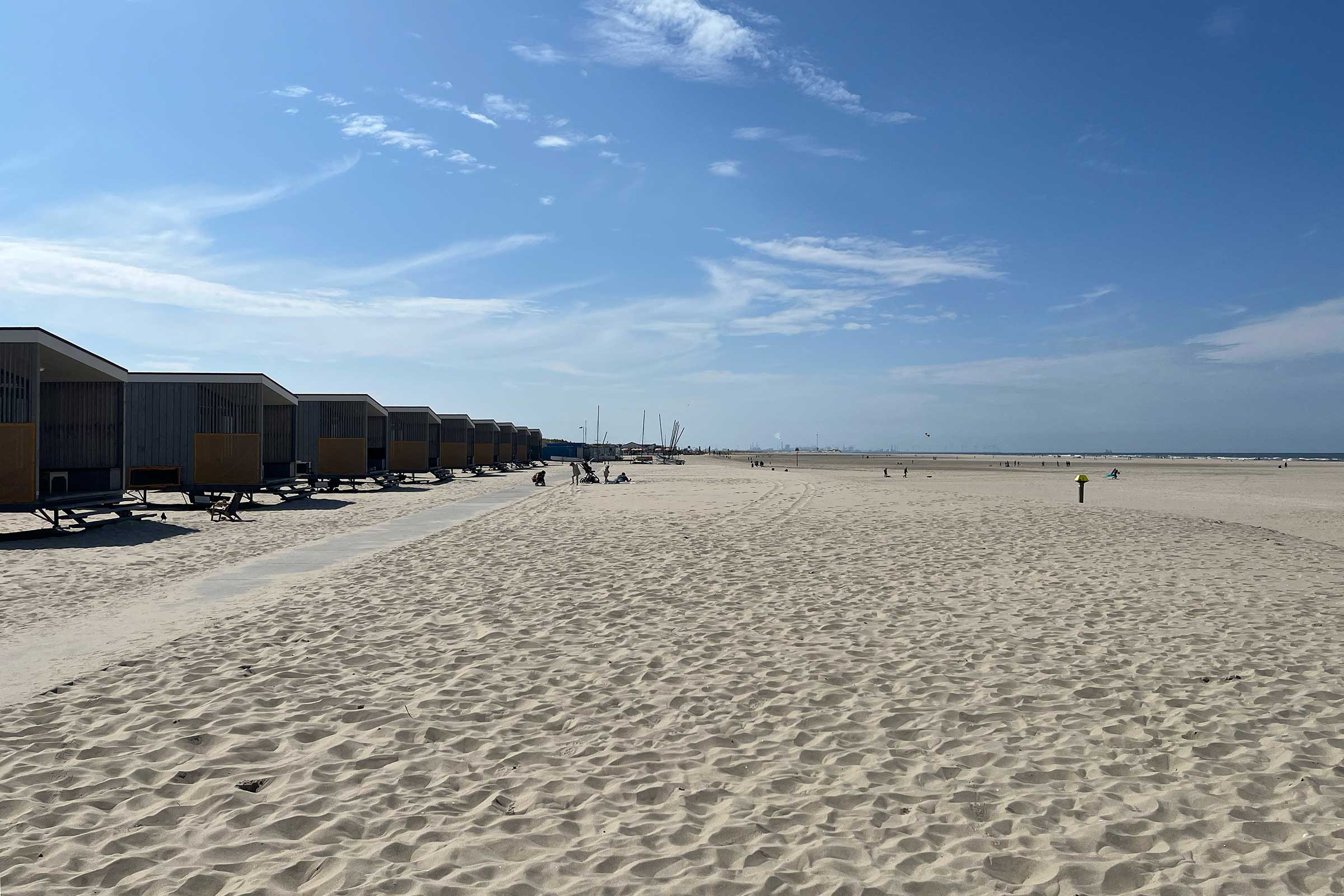
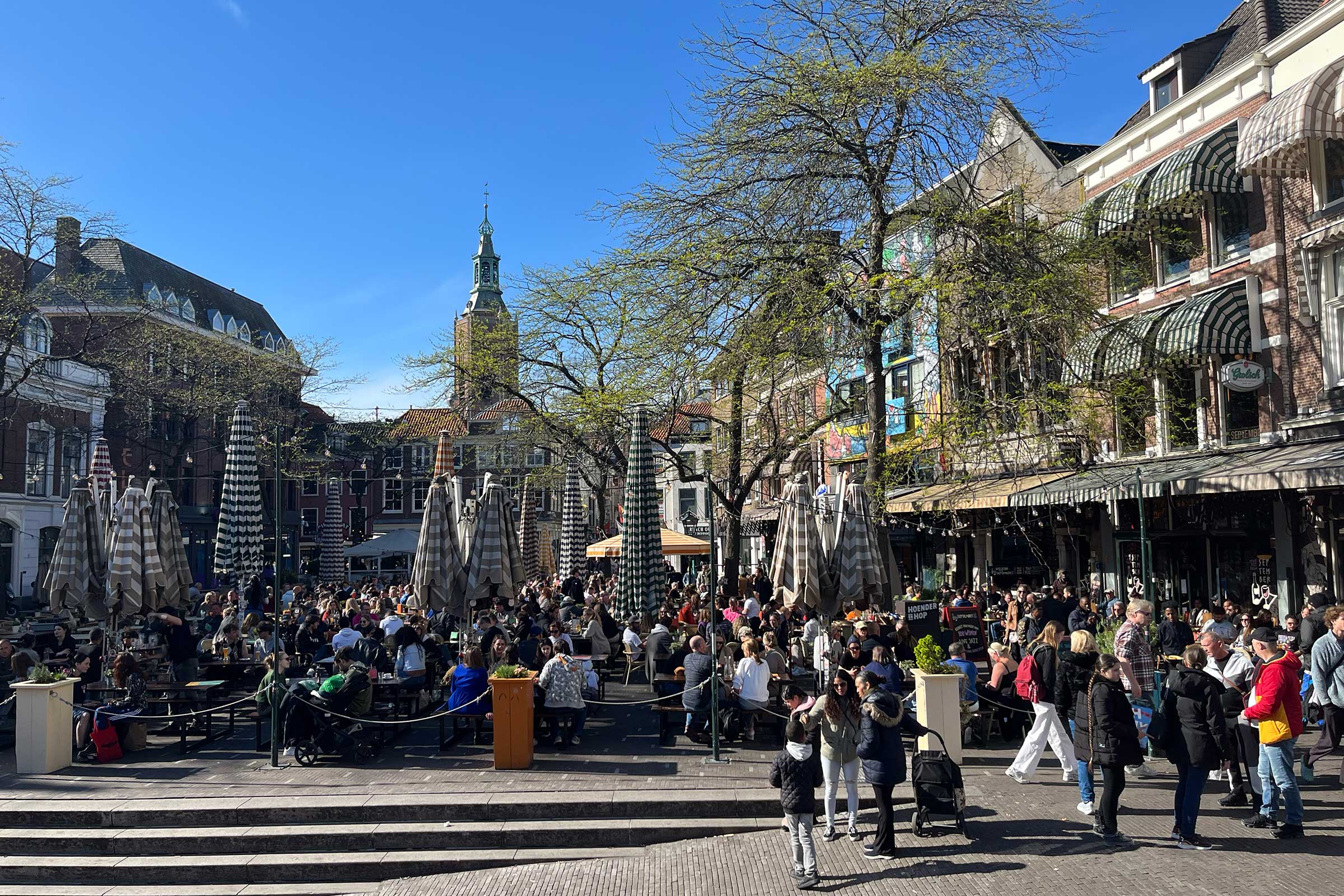
The Hague is the Netherlands’ third city, its de facto administrative capital, and was once called Europe’s largest village, due to its lack of defensive walls. Often overlooked in favour of picturesque Amsterdam and the more daring Rotterdam, it is nevertheless a treasure trove of Dutch and international architecture and planning – with all its triumphs and, at times, overly grand ambitions.
The city’s metro, never materialised, save for a small two-stop section where trams now glide beneath the old town. Designed by OMA in the mid-1990s, it is an invisible incision in the city’s fabric, with rough concrete retaining walls, glass barriers, ramps, stairways and polished timber platforms all meeting at unlikely angles. Above ground, a wide array of buildings rub shoulders: from Hans Kollhoff’s skyscrapers in the governmental quarter, the 17th-century Mauritshuis built using colonial spoils, Richard Meier’s imposing neo-modernist City Hall (nicknamed the Ice Palace), to the bulging façade of the 1926 De Bijenkorf department store by Piet Kramer, and John Outram’s circular, Lego-like extension to the old town hall.
But the best way to end the day is to take Tram 1 past the Peace Palace and get off at Scheveningen, the city’s popular and populist beach resort, where you can walk down Hugh Maaskant’s 1961 proto-high-tech fun palace of a pier for views of the city and the dunes, and a bracing blast of North Sea wind.
Peter Smisek, content editor
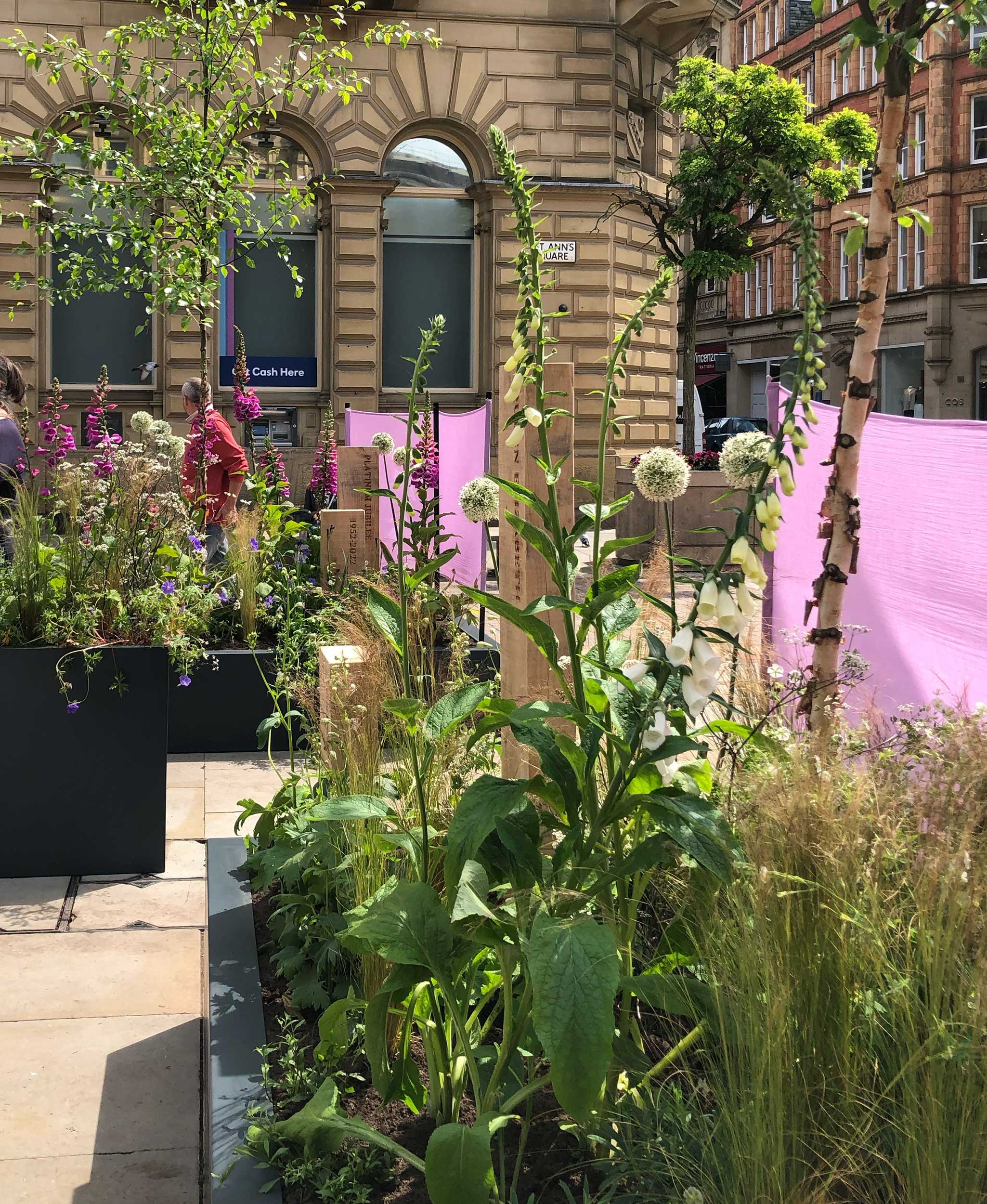

I was on work experience at the old Manchester Art House on the day of the 1996 IRA bomb. It was a devastating moment, but what came after was quite remarkable, and reshaped the city. Manchester was always ahead of the curve. It led the retrofit agenda in the late 90s, as developers like Urban Splash transformed Victorian mills, warehouses and factories into modern living spaces.
Manchester works so well because of its pockets — the Northern Quarter, Canal Street, Ancoats, Castlefield, Spinningfields – none of which detract from the city centre. At the heart of all this is a bold brand and consistent civic leadership. That’s what keeps Manchester moving forward, without losing itself. I love living in Sydney, but it could learn a bit from my home town…
A common misconception: Norman Foster is from Manchester. He’s actually from Stockport — as am I really (though I usually say Manchester, because few people outside the UK know much about Stockport, and even fewer about its urban renaissance).
Growing up, Stockport town centre was dominated by a rough-as bus station, a typical concrete jungle of a 1960s shopping centre and the infamous Grand Central leisure complex complete with bowling alley, laser tag, cinema, even an Olympic-sized pool and Coco Savannahs – where Take That once played!
Fast forward to today: that same bus station has been transformed into Stockport Interchange, now an award-winning development that includes Viaduct Park — a green rooftop space set against the backdrop of the 1840 Stockport Viaduct, one of the UK’s largest brick structures (and recently restored, all 11 million bricks of it).
The historic Stockport Market Hall, dating back to the Anglo-Saxon period, is still in operation and now part of a conservation area. Nearby, areas like Weir Mill and the Underbanks have been thoughtfully regenerated, and the Stockroom – a new hub with a modern library, creative learning space and café –is regenerating Merseyway, which had been in decline since the closures of BHS and Debenhams in the 90s. Stockport’s evolution hasn’t been perfect—but it shows how towns, not just cities, can reimagine themselves with a little vision, and a lot of persistence.
Dominique Broomfield, associate consultant (Australia)
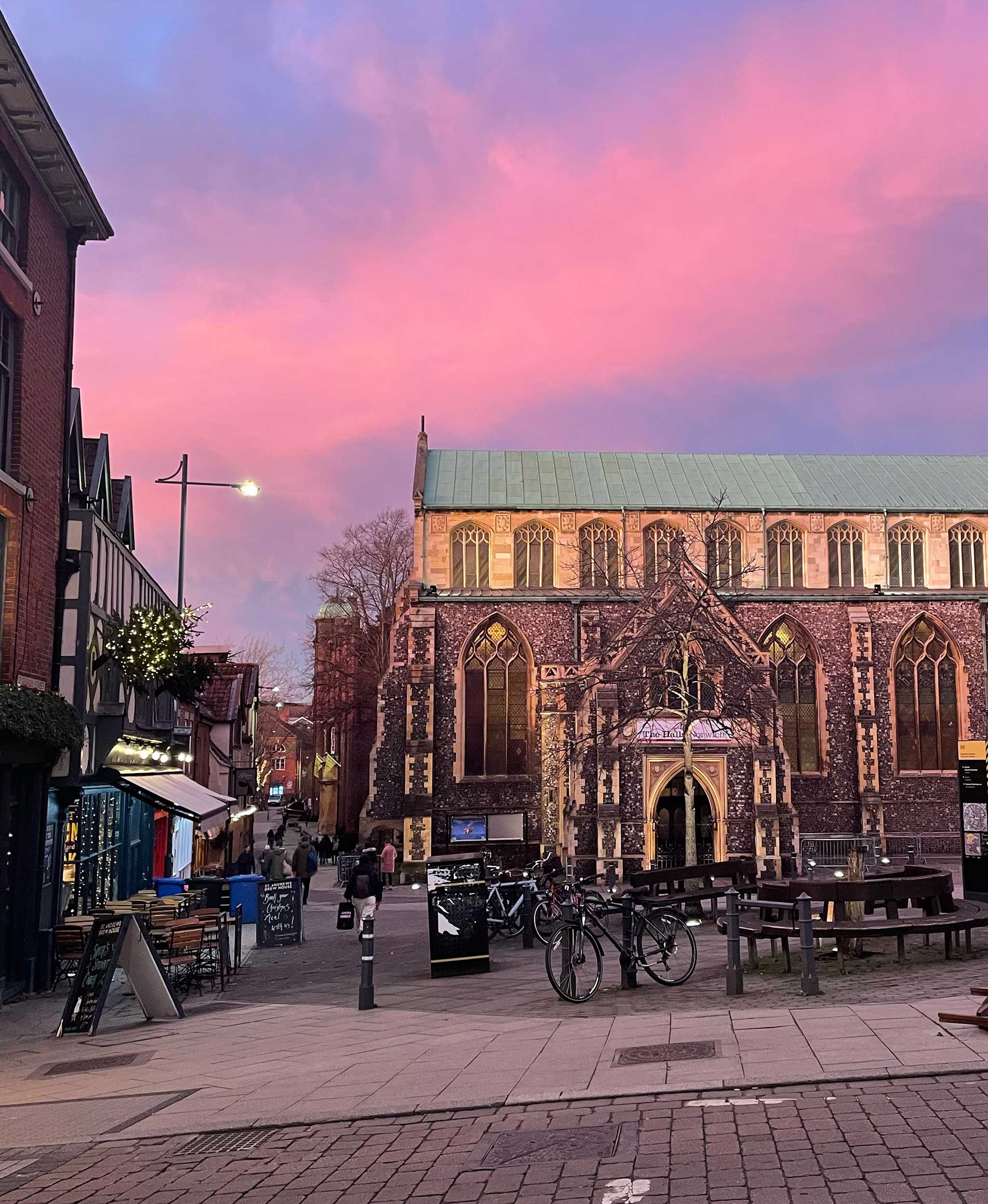

Pedestrianised before it was cool, possibly the only city in the world to be entirely excommunicated by the Pope (due to drunken rioting) and with enough humour to embrace Alan Partridge – Norwich is surely a contender for England’s best city.
Well known for its medieval buildings and cobbled streets, Norwich also has some fantastic 20th century architecture, and the two complement each other well. I particularly like the set that surround the market, including Guildhall and St Peter Mancroft, which date from the 15th century, the town hall from the 1930s and The Forum – from 2001.
Top tip for visitors: have a cup of coffee and a tasty treat at the Refectory Bakery and Cafe at the Church of England cathedral: a genius project by Hopkins to embed brand new facilities within the existing medieval structure using laminated oak, stainless steel finishes and limestone to create something that feels like vernacular high-tech.
Charlotte Goodhart, senior digital editor
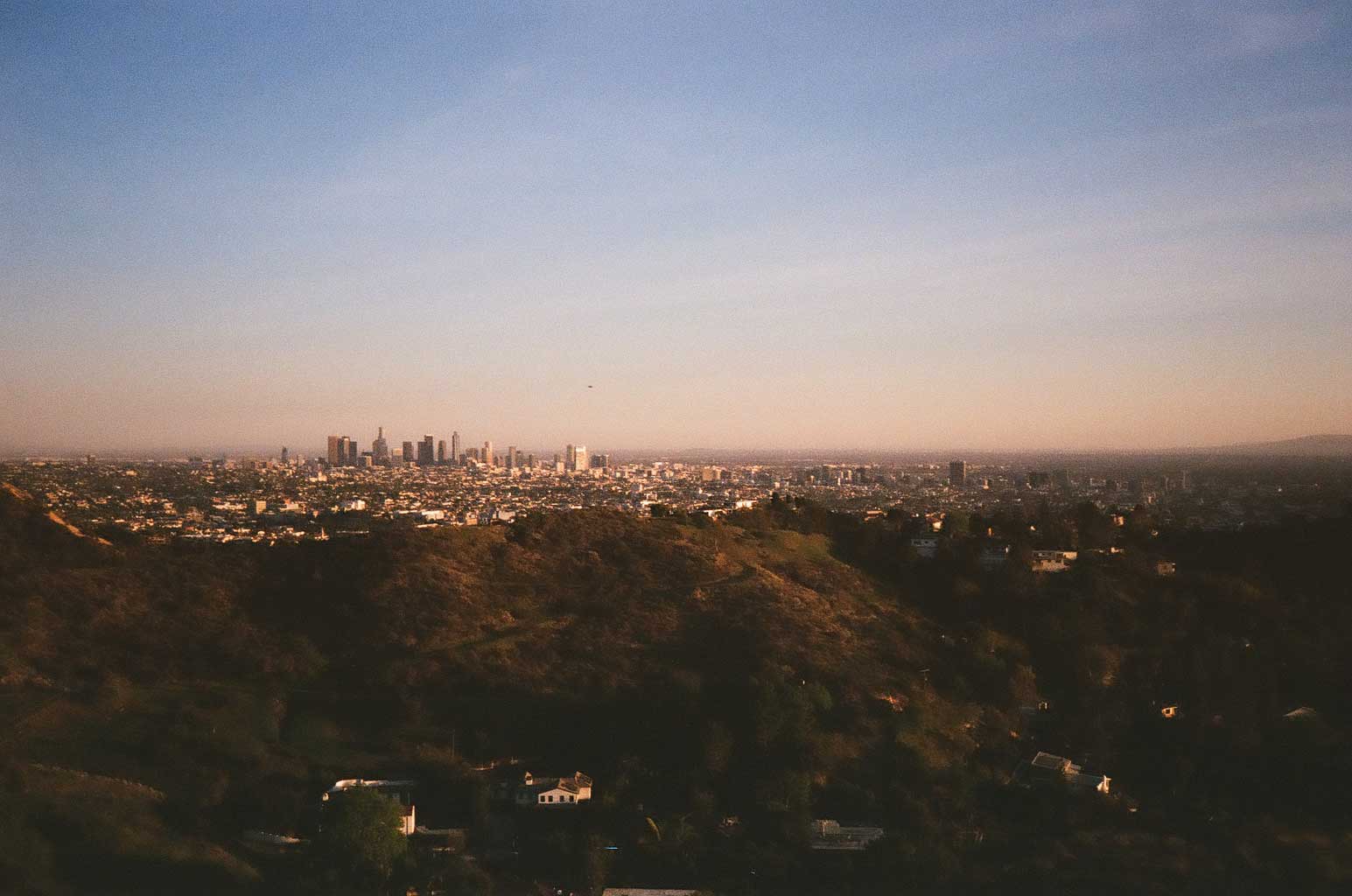
The glittering sprawl of Los Angeles became the adopted home for many city dreamers of the 20th century. Denise Scott Brown and Esther McCoy became neighbours, then friends, in the hills of Santa Monica. It was also the scene of Californian Modernism, driven by the likes of Richard Neutra and John Lautner, and evidenced in innovative homes like the Schindler and Eames houses. Today the Mayan temples of Frank Lloyd Wright overlook the fragmented forms of Frank Gehry. English architectural critic Reyner Banham famously fell in love with the city and learned how to drive ‘in order to read Los Angeles in the original.’
Although it’s true, LA is meant to be seen through the window of a moving vehicle, I found plenty of other ways to observe the city while growing up there. Cycling offers a healthy and efficient way to get around if you’re willing to brave the hills, traffic and potential distance. For a more meditative approach, walking allows patient viewers to experience the city in unintended ways. I’m personally a fan of the 15-mile walk from Downtown to the ocean, following the Art Deco path of Wilshire Boulevard end to end. There’s also the LA Metro, notoriously snail-paced and incoherent in my childhood, but growing under the ‘Twenty-Eight by ‘28’ initiative in preparation for the city’s hopefully greener future.
Spencer Lu, marketing executive
If you enjoyed this, read our deep dive on why Caro loves Paris.